Dangerous Conversations: What If The Real Story Is The Pain We Never Talk About?
A Dangerous Conversations editorial examining childhood trauma, healing, identity, faith, and the testimonies of former LGBT-identifying individuals who found hope in Jesus Christ.
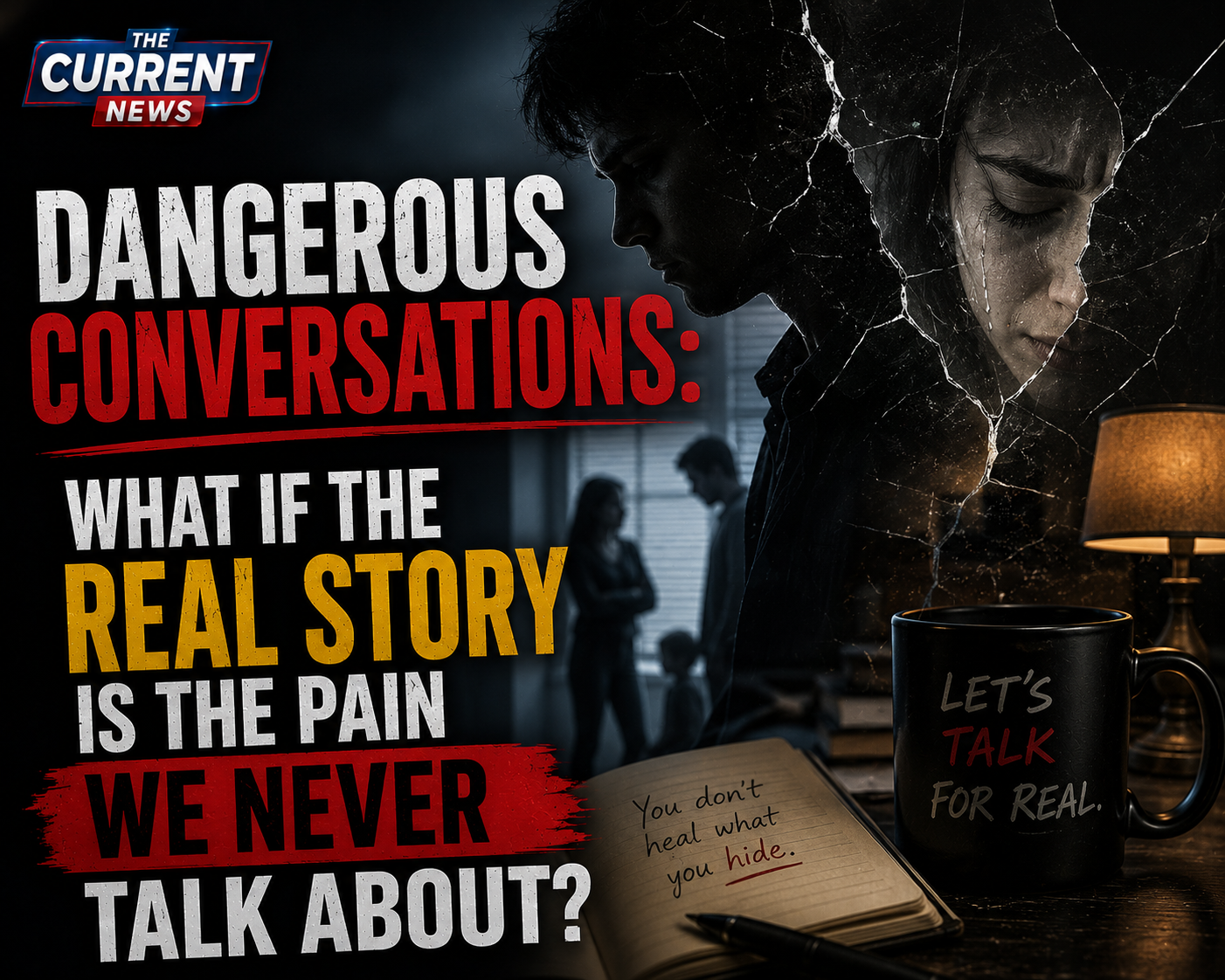
After watching multiple testimonies from former LGBT-identifying individuals featured by CBN News, one recurring theme appeared again and again.
Different backgrounds.
Different ages.
Different stories.
Yet many described remarkably similar wounds:
childhood sexual abuse
molestation
pornography exposure at young ages
absent fathers
emotional neglect
rejection
family dysfunction
deep loneliness
Some eventually identified as gay.
Some identified as transgender.
Some fully transitioned.
Others spent years pursuing relationships, identities, or experiences they hoped would finally quiet the pain.
But many testified that none of those things ultimately healed what was broken inside.
That is the dangerous conversation.
The Question Nobody Wants To Ask
Modern culture talks endlessly about identity.
But it talks far less about wounds.
Many public conversations begin with:
“Who are you attracted to?”
“How do you identify?”
“What pronouns do you use?”
Far fewer begin with:
“What happened to you?”
“What pain are you carrying?”
“What trauma have you survived?”
Those questions may be uncomfortable.
But they matter.
The Research Is Difficult To Ignore
Researchers have consistently found that lesbian, gay, bisexual, and queer individuals report significantly higher rates of adverse childhood experiences than heterosexual peers. One Vanderbilt-led study found 83% of LGBQ adults reported at least one adverse childhood experience compared to 64% of straight adults. Sexual abuse, emotional abuse, and household dysfunction were among the largest disparities.
A systematic review published in 2025 similarly found transgender and gender nonconforming individuals reported substantially higher rates of childhood maltreatment, including emotional, physical, and sexual abuse.
Researchers disagree about what these findings mean.
Many argue trauma does not cause sexual orientation or gender identity.
Others argue trauma may significantly influence identity development in at least some individuals.
What is undeniable is that trauma appears in these stories far more often than society is willing to discuss openly.
The Stories Behind The Statistics
The testimonies featured by CBN repeatedly returned to a common theme:
People were searching for healing.
Not merely identity.
Healing.
Some described abuse.
Some described pornography addictions.
Some described profound loneliness.
Some described broken homes.
Some described rejection by parents or peers.
For many, the struggle was not simply about sexuality.
It was about pain.
And according to their testimonies, changing labels never resolved the deeper wound.
A Culture Obsessed With Identity But Not Healing
Modern culture often treats identity as the destination.
Christianity treats healing as the destination.
Those are very different approaches.
One asks:
“How should I define myself?”
The other asks:
“Who can restore what is broken?”
For many of the individuals featured in these testimonies, they eventually concluded that the answer was not found in relationships, transition procedures, sexual experiences, activism, or self-expression.
They believed the answer was found in Jesus Christ.
The Christian Perspective
Christianity has never taught that every struggle has the same origin.
Nor does it teach that every person who identifies as LGBT experienced abuse.
But Christianity does teach that every human being carries wounds.
Some wounds are visible.
Others are hidden.
Some come from sin.
Others come from being sinned against.
The gospel speaks to both.
For many former LGBT-identifying Christians, their testimony is not primarily “I became straight.”
Their testimony is:
“I found Christ.”
That distinction matters.
Because Christianity is ultimately about redemption, not merely behavior modification.
If You Are Struggling
If you are wrestling with questions involving sexuality, gender identity, pornography, childhood trauma, abuse, rejection, or spiritual hopelessness, you do not have to walk through that alone.
A Christian ministry that works with individuals seeking support and discipleship in these areas is:
Whether someone ultimately agrees with their theological perspective or not, having someone willing to listen, pray, and walk alongside people through difficult questions can be invaluable.
Final Thought
Perhaps the most dangerous conversation isn’t about sexuality at all.
Perhaps it is this:
What if many of the people searching desperately for identity are actually searching for healing?
And what if the deepest need is not affirmation of every feeling, but restoration of wounds that have never fully healed?
Discussion Question
Do you believe modern culture spends enough time addressing the role of childhood trauma, abuse, and family dysfunction in people’s lives, or has the conversation become too focused on identity and not enough on healing?
Sources & Further Reading
Vanderbilt University Medical Center – Study on Adverse Childhood Experiences and LGBQ Adults
Childhood Maltreatment and Gender-Diverse Individuals Systematic Review (2025)
Childhood Maltreatment and Adult Sexuality Research