Special Report: The Supreme Court Decisions That Could Shape America's Future
An in-depth look at the U.S. Supreme Court's latest decisions and why this term may shape American law for years to come.
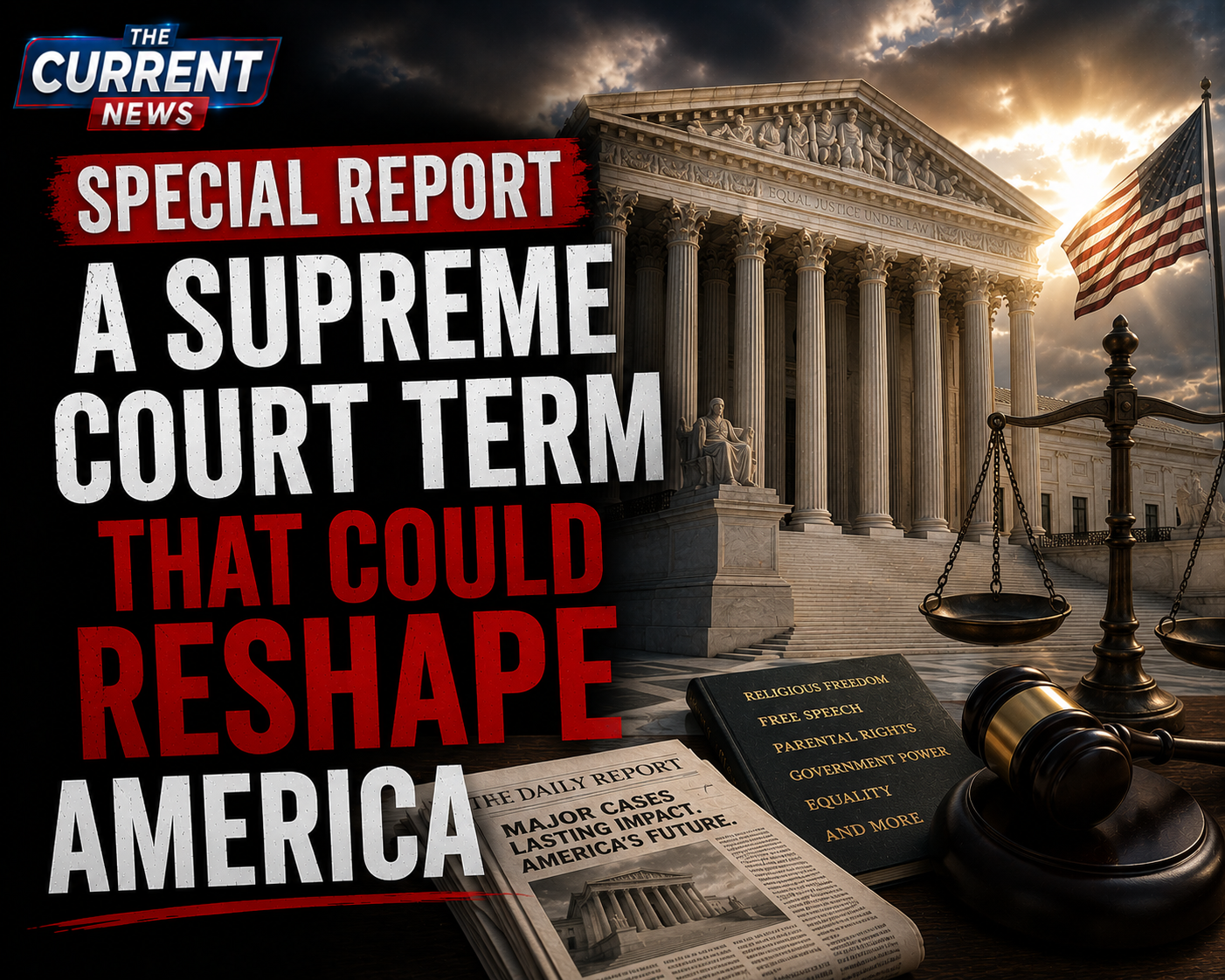
The Most Consequential Week at the Supreme Court
Every June, the Supreme Court releases many of its most closely watched opinions before beginning its summer recess.
This year was no exception.
Over the past several days, the Court issued a series of decisions touching on executive power, immigration, campaign finance, voting rights, firearms, religious liberty, and the balance of power between Washington’s three branches of government.
Whether you agree with every decision or not, one thing is difficult to dispute:
This was one of the most consequential Supreme Court terms in recent memory.
Executive Power Continues to Expand
One of the biggest themes of this term was presidential authority.
In several cases, the Court recognized broader executive authority over federal agencies while limiting Congress’s ability to constrain certain presidential actions. At the same time, the Court did not rule in the president’s favor in every major case, illustrating that its decisions varied depending on the legal questions presented.
Supporters argue these rulings reinforce the Constitution’s separation of powers by returning executive authority to the elected president.
Critics contend they shift too much authority toward the White House and weaken Congress’s role as a check on executive power.
Immigration Remains a Central Issue
Immigration was another major focus.
Recent rulings allowed the federal government to reinstate certain border enforcement policies while other decisions reaffirmed longstanding constitutional principles, including birthright citizenship under the Fourteenth Amendment.
The result is a legal landscape where the Court has generally supported broader executive authority over immigration enforcement while also reaffirming constitutional limits on presidential power in specific contexts.
Campaign Finance Changed Again
The Court also issued a major campaign finance decision that removed limits on coordinated spending between political parties and candidates.
Supporters argue the ruling strengthens political speech protected by the First Amendment.
Opponents warn it will increase the influence of wealthy donors and political organizations in federal elections.
Regardless of political affiliation, the decision is expected to affect campaign strategy heading into future elections.
The Second Amendment Continues to Expand
The Court continued building on recent Second Amendment precedent.
In one major decision, it struck down a Hawaii law restricting licensed handgun carriers from bringing firearms onto many private properties open to the public without explicit permission. In another unanimous ruling, it narrowed the reach of a federal prohibition affecting firearm possession by certain drug users.
The Court also signaled that it may hear additional firearm cases in the future involving AR-15-style rifles, magazine-capacity limits, and age restrictions.
Voting Rights Remain a Battleground
Another significant area involved voting rights and redistricting.
Several rulings addressed how states draw legislative districts and how courts evaluate claims involving race and partisan gerrymandering. These decisions are likely to influence congressional and legislative maps for years to come.
Supporters say the Court is returning these questions to elected officials and the states.
Critics argue the rulings make it more difficult to challenge discriminatory district maps.
The Court Itself Is Under Scrutiny
Perhaps the most unusual story of the term isn’t about a single decision.
It is about how the Court is making decisions.
Legal scholars, former judges, and even some justices have expressed concern over the Court’s increasing reliance on its emergency—or “shadow”—docket to resolve high-profile disputes without full briefing or lengthy written opinions. Others defend the practice as necessary when urgent constitutional questions arise.
That debate is likely to continue long after this term ends.
What Does It All Mean?
The larger takeaway from this Supreme Court term is not that one political side won every case.
Rather, the Court continued shaping fundamental questions about:
the limits of presidential authority,
the role of Congress,
immigration policy,
campaign finance,
firearm regulations,
voting rights,
and the relationship between the federal government and the states.
Many constitutional scholars believe these decisions will influence American law for decades.
Why It Matters to Everyday Americans
Supreme Court opinions rarely produce immediate changes in daily life.
Instead, they establish legal precedents that shape future legislation, lower-court rulings, and public policy.
The effects of this term will likely be felt in:
future elections,
immigration enforcement,
federal agency operations,
gun laws,
campaign fundraising,
and constitutional litigation across the country.
In other words, the consequences of this week’s decisions may extend well beyond this news cycle.
Bottom Line
The Supreme Court does not write laws.
It interprets the Constitution and statutes enacted by Congress.
This term demonstrated once again that judicial decisions can profoundly influence the direction of the nation.
Supporters see a Court that is emphasizing constitutional text, historical practice, and the separation of powers.
Critics see a Court that is redefining longstanding precedents and expanding executive authority.
Whatever one’s perspective, these rulings will likely become some of the defining legal landmarks of this decade—and their impact will continue to unfold long after the justices leave Washington for the summer.
-The Current News