WHAT HAPPENED WHILE WE WERE GONE? | Iran Deal Nears Completion, Markets React, and Washington Debates What's Next
Catch up on the last 48 hours: the U.S.-Iran peace deal, falling oil prices, market reactions and Washington's growing debate over the agreement.
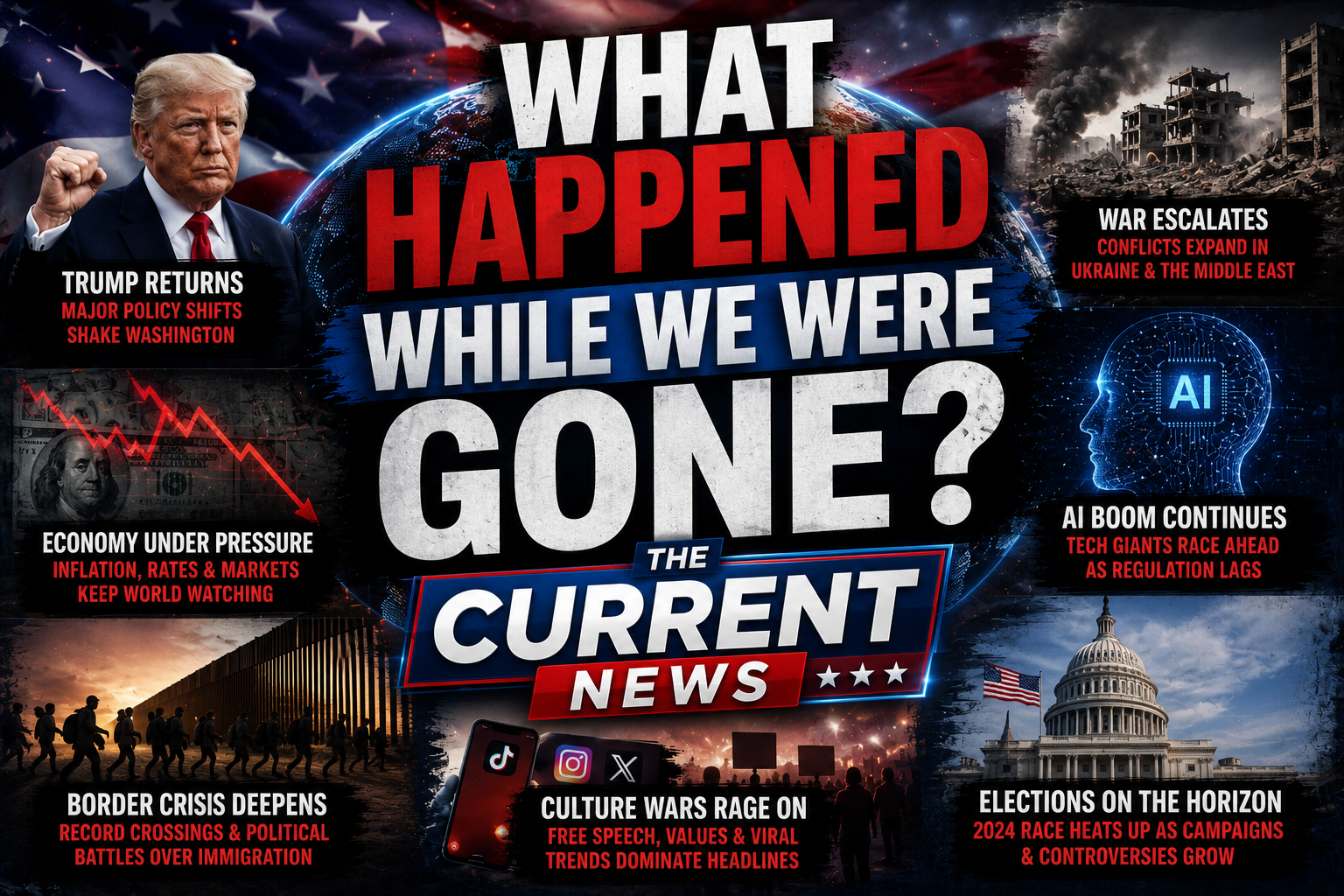
Welcome Back
If you’ve been busy with work, family, church activities, summer travel, or simply avoiding the endless cycle of breaking news, welcome back.
The last 48 hours have been dominated by one story:
The apparent breakthrough in negotiations between the United States and Iran.
At the same time, markets reacted, lawmakers raised concerns, and world leaders gathered to discuss what could become one of the most significant foreign policy developments of 2026.
Here’s what happened while we were gone.
The Iran Peace Deal Moved Closer to Reality
The biggest story in the world remains the developing agreement between the United States and Iran.
President Trump announced that the proposed agreement has entered what he called a “second stage,” with negotiators now working through implementation details. The framework would extend the ceasefire, reopen the Strait of Hormuz, ease some sanctions, and begin additional negotiations surrounding Iran’s nuclear program.
The administration argues the agreement prevented a larger regional conflict and avoided what Trump described as a potential economic catastrophe.
The proposed agreement is expected to move toward formal approval in the coming days, though questions remain about enforcement and long-term compliance.
Not Everyone Is Happy About It
While the White House is celebrating the deal, opposition is emerging from some Republicans on Capitol Hill.
Several senators have publicly criticized the framework, arguing that Iran may be receiving too many concessions while not giving enough guarantees regarding its future nuclear ambitions. Some lawmakers have requested greater transparency and want Congress to review the full agreement before implementation.
This means the political battle over the deal may be only beginning.
Expect intense debate in Washington throughout the coming weeks.
The Apache Helicopter Incident Is Fading from the Headlines
Just days ago, the downing of a U.S. Apache helicopter near the Strait of Hormuz appeared capable of triggering a much broader military conflict.
Now, diplomatic negotiations have largely replaced military escalation as the primary focus.
Both American pilots survived the incident, and the event is increasingly being viewed as one of the catalysts that accelerated peace negotiations rather than expanded the conflict. Previous reports highlighted the successful rescue operation and subsequent diplomatic activity.
Oil Prices Continue Moving Lower
One of the clearest signs that markets believe diplomacy may succeed has been the movement in oil prices.
Crude oil fell sharply this week as traders anticipated the reopening of the Strait of Hormuz and the return of more stable shipping conditions in the Persian Gulf. Oil prices recently dropped to their lowest levels in several months.
For American consumers, lower oil prices can eventually translate into:
lower gasoline prices,
reduced shipping costs,
and less inflationary pressure.
Wall Street Had a Mixed Couple of Days
Markets delivered mixed results.
Tuesday saw the Dow Jones Industrial Average reach another record close while the S&P 500 and Nasdaq slipped amid weakness in technology stocks. Investors were balancing optimism surrounding the Iran agreement with concerns over valuations and Federal Reserve policy.
Wednesday brought additional volatility after the Federal Reserve signaled that some policymakers still see the possibility of future rate increases if inflation remains stubborn. The Dow, S&P 500, and Nasdaq all closed lower.
The biggest takeaway:
Markets remain optimistic about peace but cautious about inflation.
The G7 Summit Continues
World leaders meeting at the G7 spent much of their time discussing:
the Iran agreement,
Ukraine,
global energy markets,
debt concerns,
and broader geopolitical stability.
Several leaders welcomed progress toward ending the Iran conflict while also expressing concern that difficult negotiations still remain ahead.
In other words, the deal may be close—but the hardest part may still be implementation.
America’s Bigger Question
Beyond politics and foreign policy, one theme continues emerging.
Americans appear tired.
Tired of war.
Tired of economic uncertainty.
Tired of constant crisis.
That may be one reason the possibility of peace has generated such strong public interest.
People naturally gravitate toward hope after months of tension and uncertainty.
Whether the agreement ultimately succeeds remains to be seen.
But for the first time in quite a while, diplomacy appears to be winning the headlines.
Bottom Line
Over the last two days:
The U.S.-Iran agreement moved closer to completion.
Oil prices continued falling.
Markets reacted cautiously but positively to peace prospects.
Congress began questioning details of the deal.
The G7 focused heavily on global stability.
The Apache helicopter incident faded from the front page as negotiations took center stage.
For now, the world is watching to see whether this becomes a temporary ceasefire—or the beginning of something more lasting.
—
The Current News